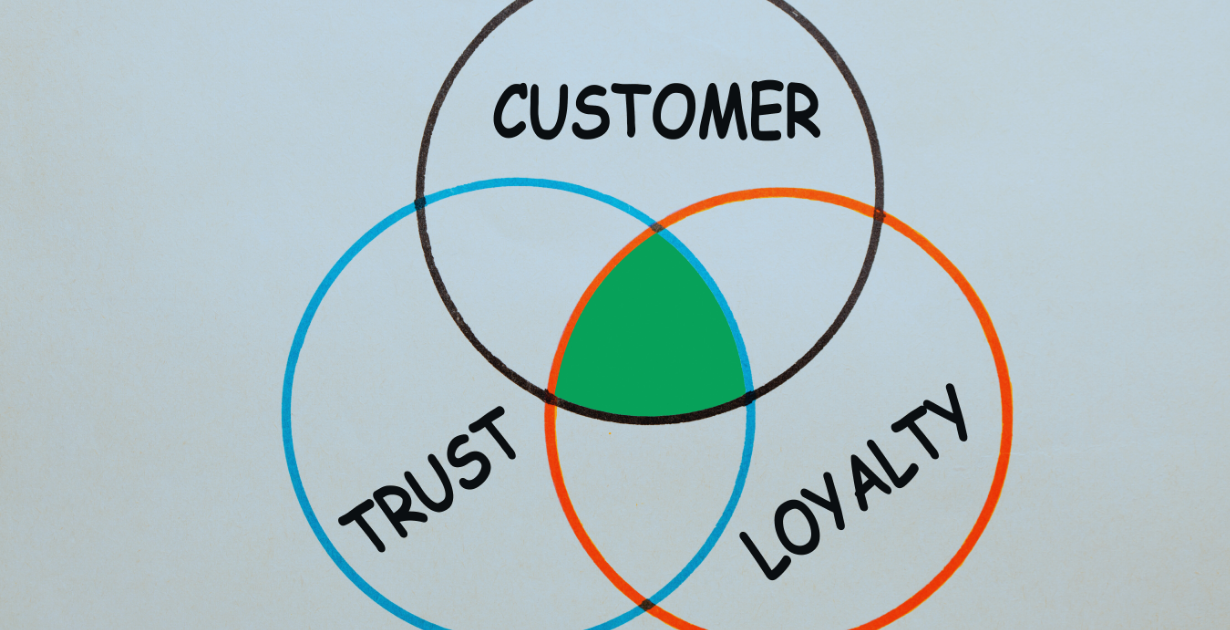
In water is wet news: people don’t trust financial services anymore.
Not banks. Not fintech apps. Not wealth managers with 5-star logos (and 1-star listening skills). And no, this didn’t start with the housing crisis in 2008. Or with the regional bank crisis in 2023. That just made the damage public.
Cambridge research confirms it’s been a 40-year decline.¹ Trust eroded slowly, decision by decision, commercial by commercial.
But here’s the twist nobody’s really talking about: While the industry is scrambling to rebuild trust with the people it’s always served, entire communities never had a seat at the table to begin with.
And the marketing that’s supposed to fix that? It’s often doing more harm than good.
The Marketing That Misses the Mark
Let’s take any financial website or ad campaign. You’ll see:
- Stock photos of professional couples reviewing retirement plans
- Testimonials from people who all sound suspiciously like they grew up with a trust fund
- Buzzwords that only land if you already have assets to manage
These campaigns aren’t just expensive, they’re out of touch. 69% of Black consumers say they choose brands that reflect their experience.² Gen Z makes financial decisions based on whether they feel seen in the messaging³
If your campaigns still look like a business lunch from 1989, the message you’re sending is clear: “This isn’t for you.”
The 3 Biggest Lies Financial Marketing Still Believes
Lie #1: Everyone relates to money the same way
Someone whose parents couldn’t afford to retire hears “retirement planning” very differently than someone whose parents owned a second home by 40. Pretending that gap doesn’t exist? It’s insulting, not inclusive.
Lie #2: Jargon builds credibility
“Ultra High net worth.” “Liquidity event.” “Generation-skipping trust.” This isn’t trust-building language. It’s a velvet rope. And no, using these terms doesn’t make you sound competent—it makes you sound like you’re not here to help.
Lie #3: One-size-fits-all messaging is the safest bet
Generic feels safe, but it doesn’t connect. When you try to speak to everyone, you end up speaking to no one.
So What Does Inclusive Marketing Look Like?
It’s not just “diverse casting” or changing a few taglines. Inclusive marketing means flipping the script entirely:
- Talk like a real person. Swap “wealth accumulation” for “peace of mind.”
- Celebrate all wins. Paying off $8,000 in credit card debt deserves airtime.
- Tell real stories. Not staged testimonials—actual lived experiences that reflect how people really navigate money.
Because the most powerful message you can send is: we see you, and we built this with you in mind.
Case Studies: When Institutions Actually Get It Right
💡 A community bank in Chicago
Instead of pitching “products,” they listened. They asked local immigrant families what financial security looked like. The answer wasn’t early retirement—it was sending money home, building credit from scratch, and starting small businesses without collateral.
They didn’t reinvent services—they rewrote the story and increased customer growth 40% in two years.
💡 A Texas credit union
They swapped “wealth management” for “financial confidence.” Then they shared real stories: paying off student loans, building an emergency fund, affording health care for a parent.
The Result? Higher engagement. More referrals. Stronger trust.
How to Start Getting It Right
This isn’t about “targeting” communities. It’s about showing up differently.
- Listen before you speak. Hold community sessions. Partner with orgs already doing the work.
- Check your assumptions. Who are you picturing when you imagine your “ideal client”?
- Celebrate different wins. Debt payoff matters. So does credit repair, saving $1,000, and starting a business with no VC funding.
- Build real partnerships. Not as a marketing tactic—as a way to learn.
- Measure what matters. Ask: Do our clients feel seen? Heard? Respected? Or just managed?
The Business Case (Because Someone’s Going to Ask)
This isn’t charity. It’s strategy.
Trust in financial services is down across every demographic.¹
And underserved communities represent the biggest growth opportunity financial services has.
But they won’t buy your story unless they believe you believe it.
Inclusive marketing doesn’t just build bridges—it builds momentum.
When people see how you show up for others, they trust how you’ll show up for them.
The Bottom Line
In this industry, trust is the product.
And inclusion isn’t a nice-to-have. It’s how you stay in business.
The institutions that lead with truth, transparency, and empathy won’t just win new customers.
They’ll build communities that stick.
You can’t afford to keep marketing to yesterday’s audience.
Not when tomorrow’s customer is paying attention to every word, image, and choice.
The choice is simple: keep marketing to yesterday’s assumptions, or start building the trust your future depends on. Because while you’re debating strategy, your competitors are building relationships. And in finance, relationships are everything.
OR
At High Tide Content Lab, we help financial brands tell stories that connect across difference—so your message builds trust, your customers feel seen, and your growth strategy actually works.
Let’s build the narrative your future clients are waiting for.
Sources
¹ Limbach, P., Rau, P.R., & Schürmann, H. (2023). The decline of trust across the U.S. finance industry. Journal of Economic Behavior and Organization, 213, 324–344.
² KPMG Research on Consumer Trust and Ethnicity in Marketing
³ Deloitte Global Consumer Survey (11,500 respondents)